





![How Well Do You Know The Premier League? Find Out! [Quiz]](https://vinscreations.co.ke/uploads/images/202302/image_430x256_63ef9dbe48dc0.jpg)
![What Type of Friend Are You? [Quiz]](https://vinscreations.co.ke/uploads/images/202302/image_430x256_63ee939933dac.jpg)

6 Photography mistakes you should avoid
Photographers can make many common mistakes, which can negatively impact the quality and impact of their images. Some of the most common photography mistakes...
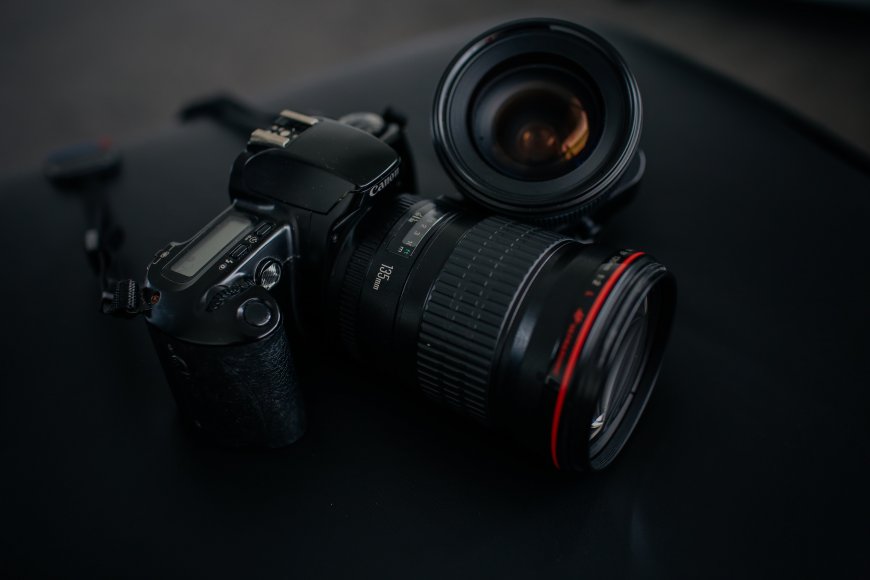
1. Not paying attention to the background: Make sure that the background does not contain any distracting elements that will take attention away from the subject.
Paying attention to the background is important as it can greatly affect the overall composition and impact of a photo. Distracting elements in the background can take away from the subject and make the photo less effective. It's important to take a moment to look at the background and make sure that it does not contain any elements that will detract from the subject. This can include things like trash, power lines, or other people. You can also use techniques such as shallow depth of field to blur the background and make the subject stand out more.
White balance is a setting that helps ensure that a photo's colors appear natural and accurate. It's important to set the white balance correctly based on the lighting conditions in order to avoid colors that look too warm or cool.
Different lighting conditions require different white balance settings. For example, if you're taking photos indoors under incandescent lights, you'll want to use a warm white balance setting to counteract the cool tones of the lights. Similarly, if you're taking photos outdoors on a sunny day, you'll want to use a cool white balance setting to counteract the warm tones of the sun.
Many cameras have preset white balance settings for different lighting conditions, such as "daylight," "cloudy," "incandescent," etc. However, if you want to be more precise, you can also use the camera's manual white balance setting. You can use a white or gray card for reference and set the white balance yourself.
If you are shooting in digital, you can always adjust the white balance later during post-processing.
3. Not using a tripod: Tripods help to keep the camera steady and reduce camera shake, resulting in sharper images.
Not using a tripod can result in a camera shake, which can cause images to appear blurry or out of focus. Tripods provide a stable base for the camera, allowing for longer exposures and sharper images. They can also help to keep the composition of the image steady, which can be useful when taking photos of stationary subjects. Additionally, tripods can allow for more creative control over the composition of a shot by allowing you to adjust the camera's angle and position more easily. Overall, using a tripod can greatly improve the quality and stability of your photos.
4. Not using the right aperture: The aperture controls the amount of light that enters the camera and also affects the depth of field in a photo. Using the wrong aperture can result in a photo that is either too bright or too dark or one with a shallow depth of field that doesn't keep the subject in focus.
Not using the right aperture can also lead to a photo that is either too bright or too dark, depending on the lighting conditions. When the aperture is too wide (small f-stop number), more light enters the camera, resulting in a brighter image.
Conversely, when the aperture is too narrow (large f-stop number), less light enters the camera, resulting in a darker image. Additionally, the aperture also affects the depth of field in a photo, which refers to the distance between the closest and farthest objects in a photo that appears in focus.
When the aperture is wide (small f-stop number), the depth of field is shallow, which can cause the background or foreground to appear out of focus. When the aperture is narrow (large f-stop number), the depth of field is deep, which can cause the entire image to appear in focus.
5. Not taking care of your equipment: Properly clean and store your camera and lenses to ensure that they continue to function properly.
Not taking care of your equipment can lead to a variety of issues, such as dust and debris on the sensor, which can cause spots to appear on your photos. Cleaning your equipment regularly can help to prevent this issue. Also, keeping your camera and lenses stored in a dry, cool place can help to prevent damage from humidity and temperature changes. Avoiding extreme temperatures, and direct sunlight and not storing the equipment in damp places can help to prolong the life of your equipment.
Also, proper handling can also help to protect your equipment. For example, always holding the camera with a firm grip and using a strap to keep it secure can help to prevent accidental drops and other physical damage.
Proper maintenance, cleaning, and storage practices can help to ensure that your camera and lenses continue to function properly and produce high-quality images for a long time.
6. Not checking the focus:
Not checking the focus can result in a photo that appears blurry or out of focus, which can greatly detract from the overall impact of the image. In order to ensure that your photos are properly focused, it is important to be familiar with your camera's focusing system and to take the time to check the focus before taking each shot.
One way to check the focus is to use the camera's viewfinder or LCD screen to zoom in on the subject and ensure that it is in focus. Some cameras also have a focus confirmation light or beep that can indicate when the camera has achieved focus. Another option is to use the manual focus option in your camera, this way you can adjust the focus by turning the focus ring on the lens until the subject is clear.
You can also focus on the subject's eyes, as eyes are the most important part of a portrait. If the eyes are in focus, the person will look sharp and engaged.
It is also important to be aware of the distance from the camera to the subject, as well as the aperture and shutter speed you are using, as these factors can also affect the focus of the image.
In summary, checking the focus is a crucial step in the photography process, as it ensures that your photos are sharp and in focus, which can greatly enhance the overall impact of the image.
In conclusion, By being aware of these common mistakes and taking steps to avoid them, photographers can greatly improve the quality and impact of their images. Remember to Join our subscribers list to get the latest news, updates, and special offers directly in your inbox.
What's Your Reaction?


![How Well Do You Know The Premier League? Find Out! [Quiz]](https://vinscreations.co.ke/uploads/images/202302/image_140x98_63ef9dbe971ee.jpg)



![What Type of Friend Are You? [Quiz]](https://vinscreations.co.ke/uploads/images/202302/image_140x98_63ee939a03862.jpg)

